The Sewer Line Inspection Nobody Books
There is one defect on a typical Edmonton house that is expensive, invisible on a walkthrough, and not covered by the inspection you are already paying for. It is the pipe running from the house to the City main, and you own it.
The short answer
In Edmonton the property owner is responsible for the sewer service line on their land. Houses built before 1970 were commonly laid in clay tile, which roots find and whose joints separate as they age. A standard home inspection does not put a camera down the line. A separate sewer camera scope usually costs a couple of hundred dollars and is the best-value thing you can add to a condition period on an older house.
Key takeaways
- The homeowner owns the sewer line out to the City main — the repair bill is yours.
- Pre-1970 Edmonton houses were commonly on clay tile; PVC took over through the 1970s.
- A standard home inspection does not include a camera scope of the line.
- A scope is booked separately, usually a couple of hundred dollars, and is worth doing before conditions come off.
- Many older lines have already been replaced or relined — ask for the invoice or the video.
Who this guide is for
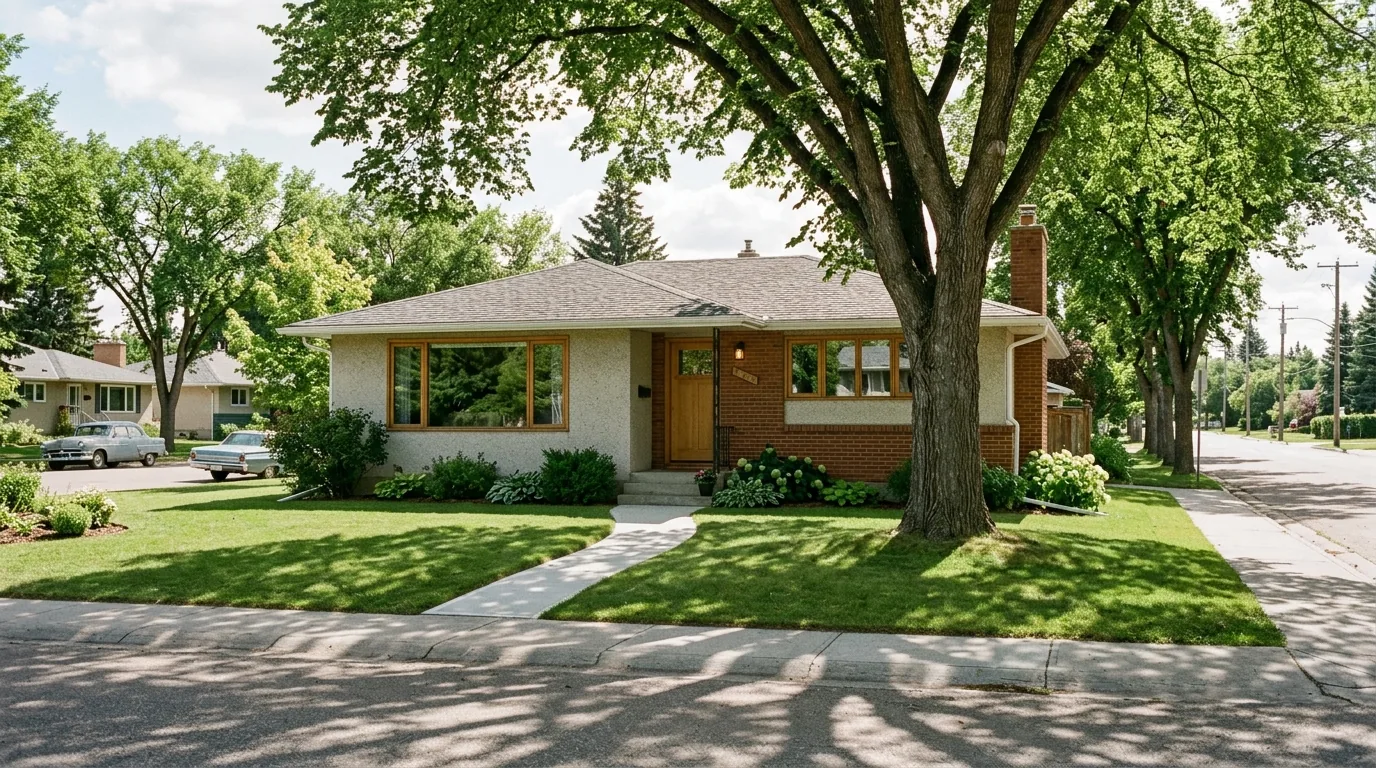
Anyone buying a house in a mature Edmonton neighbourhood — the pre-1970 stock across the central, north and west sides especially. If you are buying an apartment condo this is not your pipe; it belongs to the corporation, and it belongs in the condo document review instead.
Why the line is yours
The City is responsible for the main in the street. The service line running from the main to the house — the part on private property — is the owner's. That division is unremarkable until something fails, at which point it decides who pays, and the answer is usually you.
The repair is not a plumbing call-out. It is an excavation: the yard is opened, the line is replaced or relined, and the ground is put back. Cost depends on depth, length and what is on top of it, which is why a driveway or mature landscaping over the line matters.
Why 1970 and not 1980
Clay tile was the standard lateral material through the 1960s. Through the 1970s PVC took over, so a house built in 1978 is more likely than not already on plastic. Padster screens at 1970 rather than 1980 for exactly that reason — a screening note that fires on homes that do not need it is a note people learn to skip.
An older line is not a failed line. Clay laterals have been in the ground for sixty years and plenty of them are fine. The point is that you cannot tell by looking, and neither can your inspector.
What a camera scope actually finds
- Root intrusion — the most common finding, and the reason mature trees and clay pipe are a bad pairing.
- Separated or offset joints, where sections have shifted.
- Bellies — low spots that hold water and collect solids.
- Evidence of past repair, including a relined section, which is good news you want documented.
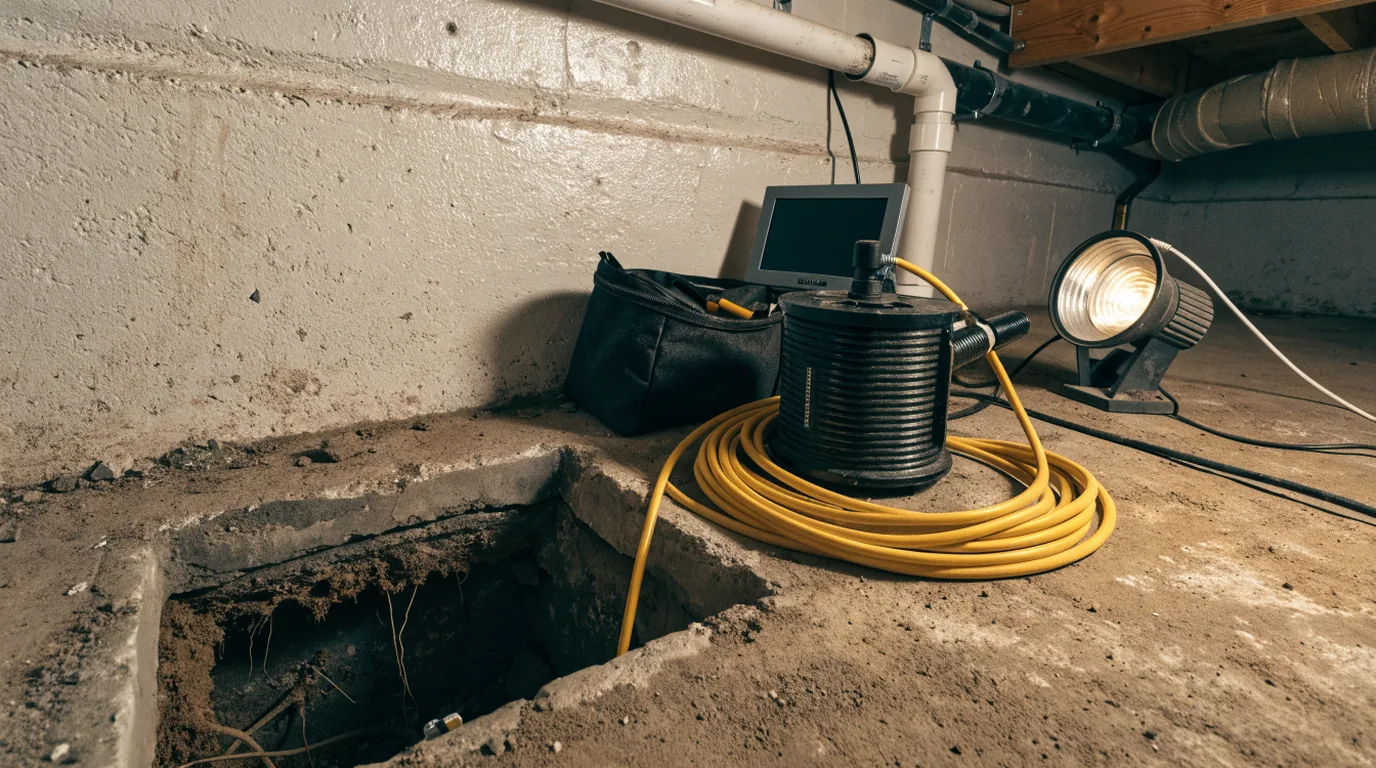
You get a video. Keep it: it is the baseline you will compare against in ten years, and it is worth something to the next buyer.
How to fold it into an offer
- Book the scope alongside the home inspection so both happen inside the same condition window.
- Ask the seller directly whether the line has been replaced, relined or scoped, and for the invoice or video if so.
- If the scope finds something, you have a specific, quotable number to negotiate against — which is a far stronger position than a general worry about the age of the house.
Separately, ask your insurance broker about sewer backup coverage: whether it is included, what the limit is, and what raising it costs. The pipe and the coverage are two halves of the same question.

Ryan McCann
Ryan is an Edmonton-based REALTOR® with MaxWell Polaris and the person behind Padster. He's helped over 2,200 clients in the Edmonton area buy and sell their home.
Contact Ryan today at 780-964-8445 to talk through your next step.
Last reviewed 20 August 2026. General information for Edmonton-area buyers — not individualized financial, mortgage, legal or tax advice. Mortgage rules, government programs and market figures change; confirm current details with a licensed mortgage professional, an Alberta real-estate lawyer, or the relevant government source before making a decision. Padster is not a brokerage.
Sources
Your next step
Older homes, priced by the month
Padster flags pre-1970 houses on the listing page, with the City's own statement of who owns the line.
Search Edmonton by monthly paymentFrequently asked questions
Who is responsible for the sewer line in Edmonton?
The City maintains the main in the street; the property owner is responsible for the service line on their own land. A failure on your side of that division is your cost.
Does a home inspection include the sewer line?
A standard home inspection does not. Scoping the line requires a camera and is booked separately, usually for a couple of hundred dollars.
How do I know if a house has a clay sewer line?
Build year is the screening signal — clay tile was standard through the 1960s and PVC took over during the 1970s. The only way to know what is actually in the ground is a camera scope.
Is a clay sewer line a reason not to buy?
No. Many are decades old and functioning. It is a reason to look before your conditions come off, so that anything found becomes a number you can negotiate rather than a surprise you inherit.
What does a sewer line repair cost?
It varies with depth, length and what sits on top of the line, because the work is an excavation rather than a plumbing visit. A scope gives you a specific quote instead of a range.