What a Real Estate Lawyer Does in Alberta, and What They Cost

You will meet your real estate lawyer once, briefly, near the end — and they will do most of the work that actually transfers the house to you.
The short answer
In Alberta a lawyer handles the conveyance: reviewing title, preparing and registering the transfer at Land Titles, receiving your mortgage funds and your down payment, paying out the seller’s mortgage, adjusting for property taxes, and confirming you own it. You are required to have one for a mortgage. Fees vary by firm and are quoted as legal fees plus disbursements, so ask for the all-in number rather than the headline rate.
Key takeaways
- A lawyer is not optional when there is a mortgage.
- Alberta has no provincial land transfer tax, but Land Titles registration fees do apply.
- Quotes split into fees and disbursements — compare the total, not the first number.
- Choose one early, not the week before possession.
- Their job is to protect your title. That is worth more than the saving on the cheapest quote.
Who this guide is for
First-time buyers in Edmonton who have an accepted offer, or are close to one, and have realised they need a lawyer without being sure what for.
What conveyancing actually means
Conveyancing is the process of moving legal ownership from the seller to you. Alberta uses a land titles system in which the register is the authoritative record of who owns what and what is registered against it. Your name going on that register is the moment the home is yours.
Everything the lawyer does is in service of that: making sure what goes on the register is correct, that what should come off comes off, and that the money moves in the right order.
What they actually do, in order
- Review the title — who owns it now, and what is registered against it: mortgages, liens, caveats, easements, utility rights of way.
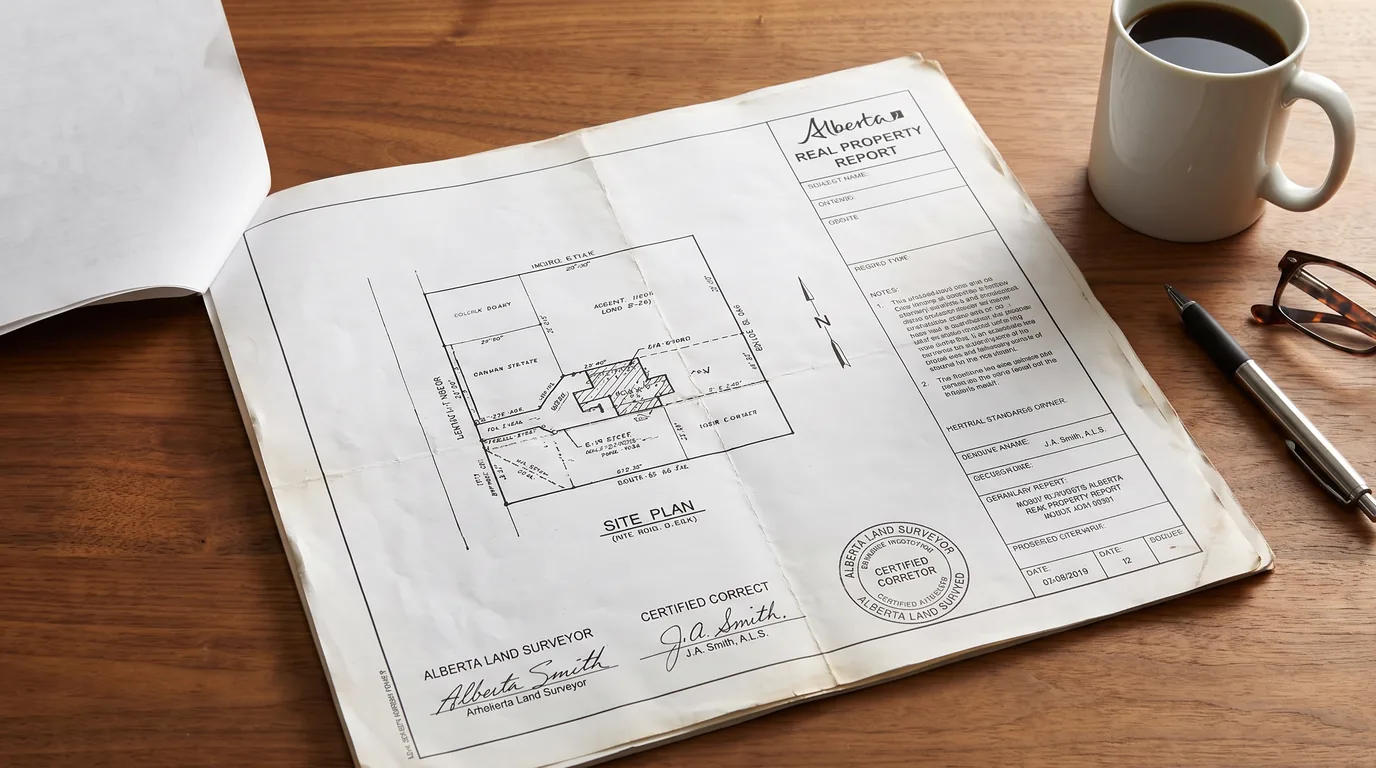
- Check the Real Property Report, or arrange title insurance where that is the route being taken.
- Prepare the transfer documents and your mortgage documents, and take you through signing them.
- Receive the mortgage advance from your lender and your down payment from you.
- Calculate adjustments — property taxes and anything else prepaid or owing, apportioned between you and the seller on the possession date.
- Pay out the seller’s mortgage and see that it is discharged from title.
- Register the transfer and your new mortgage at Land Titles.
- Report to you afterwards with the final statement and confirmation of registration.
Why you cannot skip it
Every lender requires a lawyer to handle the mortgage. Even in a cash purchase, the registration and the payout of whatever is on title are not things to attempt yourself.
The lawyer is also the only party in the transaction acting solely for you. The brokerages represent their clients on the deal; the lender protects its security; the lawyer’s job is that the title you receive is clean and correctly registered.
What it costs, and how to compare quotes
Legal fees vary by firm and by transaction, and Alberta does not set them. What you can do is make quotes comparable, which most buyers do not.
- Legal fees — the firm’s charge for the work.
- Disbursements — costs paid out on your behalf: Land Titles registration fees, title searches, courier, and so on.
- GST on the fees.
A low headline fee with disbursements added afterwards can total more than a higher one quoted all in. Ask for the estimated total payable, in writing, including registration fees and GST.
Ask whether the quote assumes a Real Property Report is being provided, or assumes title insurance. Those are different amounts of work and different disbursements, and it is the most common reason two quotes are not comparable.
Alberta’s registration fees
There is no provincial land transfer tax in Alberta — a genuine and often underappreciated advantage over Ontario or British Columbia. What does apply is Land Titles registration: one fee on the transfer of the property and another on the mortgage, each calculated from a published formula rather than estimated.
Those figures appear in our Alberta closing costs guide, kept current alongside the rest of the closing-cost picture.
When to choose one
As soon as your offer is accepted, and preferably before. Your lawyer needs time to search title, receive instructions from your lender, and get documents ready for signing before possession.
Leaving it to the last week is how possession days slip. Lenders send mortgage instructions on their own schedule, and a firm that received them a day ago is not in a position to close tomorrow.
How to pick one
- Do they do residential real estate regularly, or occasionally?
- Will they give a written all-in estimate?
- Who will you actually deal with — the lawyer, or an assistant?
- How do they handle signing, and what do you need to bring?
- Are they on your lender’s approved list?
Ask your REALTOR® or your mortgage broker for names. They see which firms close cleanly and which ones create Friday afternoons nobody enjoys.
What adjustments are, and why your first bill surprises you
Adjustments split the running costs of the property between seller and buyer at the possession date. Property taxes are the main one in Edmonton, and they are the reason the final number is rarely the round figure people expect.
If the seller has already paid the year’s taxes, you reimburse them for the portion of the year you will own the home. If they have not, you receive a credit and inherit the bill. Which way it falls depends on when in the year you take possession and how the seller was paying.
Neither outcome is good or bad; it is arithmetic. But it can move the amount your lawyer asks for by a meaningful sum, which is why you want the final figure a few days before possession rather than the morning of.
Who your lawyer is actually acting for
Usually you and your lender both, which is normal and disclosed. Your lender has instructed them to make sure its mortgage is properly registered and its security is good; you have instructed them to make sure you own the house.
Those interests align almost all of the time. Where they do not, your lawyer has to tell you. It is worth knowing that the relationship exists rather than being surprised by a reference to lender instructions.
The lawyer is the only party in the transaction whose job is your title. The brokerages have their own clients and the lender is protecting its loan.
What can go wrong, and how it gets caught
- Something unexpected on title — an old lien, a caveat, a builder’s lien from work you knew nothing about.
- A discharge that has not been registered, so a mortgage the seller paid off years ago is still showing.
- An RPR that does not match the house, usually because something was built after the survey.
- Late lender instructions, which is the most common cause of a possession day running to the wire.
Most of these are resolvable if they are found with time to spare. That is the argument for instructing a lawyer early rather than the week before — not that problems are likely, but that the fix needs days rather than hours.
What to bring to the signing
- Government-issued photo identification.
- The balance of your funds, in the form your lawyer specifies.
- Your void cheque or banking details for the mortgage payments.
- Confirmation of your home insurance, which your lender will require to be in place.

Ryan McCann
Ryan is an Edmonton-based REALTOR® with MaxWell Polaris and the person behind Padster. He's helped over 2,200 clients in the Edmonton area buy and sell their home.
Contact Ryan today at 780-964-8445 to talk through your next step.
Last reviewed 24 August 2026. General information for Edmonton-area buyers — not individualized financial, mortgage, legal or tax advice. Mortgage rules, government programs and market figures change; confirm current details with a licensed mortgage professional, an Alberta real-estate lawyer, or the relevant government source before making a decision. Padster is not a brokerage.
Sources
- Law Society of Alberta — information for the public
- Government of Alberta — Land Titles
- Real Estate Council of Alberta — consumer information
Your next step
Get a real number before you need one
A broker who works with Edmonton first-time buyers every day. Free, and no obligation.
Request a free pre-approval introductionFrequently asked questions
Do I need a lawyer to buy a house in Alberta?
If you are getting a mortgage, yes — every lender requires one. Even in a cash purchase, registering the transfer at Land Titles and clearing what is registered against the property are not tasks to take on yourself.
What does a real estate lawyer actually do?
Reviews title, checks the Real Property Report or arranges title insurance, prepares and registers the transfer and your mortgage, receives the mortgage advance and your down payment, calculates tax adjustments, pays out the seller’s mortgage, and reports to you afterwards.
How much are legal fees in Alberta?
They vary by firm and are not set provincially. Quotes split into legal fees, disbursements and GST — so a low headline fee can total more than a higher all-in one. Ask for the estimated total payable in writing.
Is there land transfer tax in Alberta?
No provincial land transfer tax, which is a real advantage over Ontario or British Columbia. Land Titles registration fees do apply, on the transfer and on the mortgage, each from a published formula.
When should I choose a lawyer?
As soon as your offer is accepted, ideally sooner. They need time to search title, receive lender instructions and prepare documents. Leaving it to the final week is how possession dates slip.
What do I bring to the signing appointment?
Government photo identification, the balance of your funds in the form the lawyer specifies, banking details for your mortgage payments, and confirmation of home insurance, which your lender will require to be in place.