New to Canada? How Newcomers Qualify for a Mortgage in Edmonton
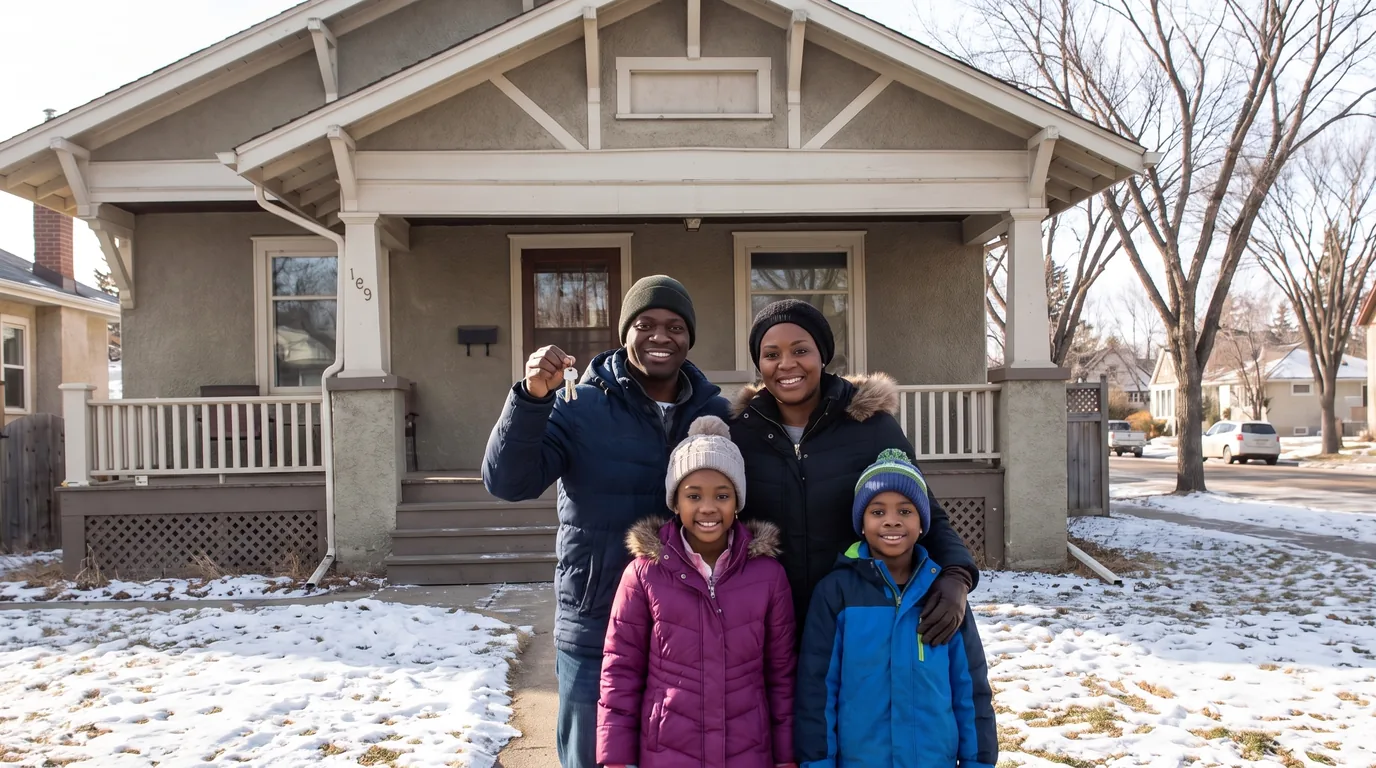
Edmonton takes in a large share of Canada’s newcomers every year, and a great many of them arrive with savings, a job offer and no Canadian credit file whatsoever. That last part feels like a wall. It is not — the major lenders and CMHC both run programs built for precisely this situation, and the rules are more accommodating than most newcomers expect.
The short answer
You do not need a long Canadian credit history to get a mortgage here. Newcomer programs at most major lenders and CMHC accept alternative proof of creditworthiness — an international credit report, a letter from a bank in your former country, or twelve months of on-time rent and utility payments. Permanent residents can generally access the same 5% minimum down payment as anyone else; some lenders ask more from temporary residents.
Key takeaways
- Permanent residents are usually treated like any other buyer: 5% minimum down on the first $500,000, subject to normal qualifying.
- Work-permit holders can also buy, though the down payment requirement and lender choice are often narrower.
- Instead of a Canadian credit score, lenders will consider an international credit report, a bank reference letter, or a documented rent-and-utility payment history.
- CMHC-insured financing normally looks for a credit score of 600, but its newcomer provisions allow alternative documentation where no score exists yet.
- A secured credit card used carefully is the fastest way to start a Canadian credit file — usually visible within a few months.
Who this guide is for
Permanent residents and work-permit holders who have arrived in the Edmonton area within roughly the last five years and are considering a first home purchase in Canada.
What lenders look at instead of a Canadian credit score
- Immigration status. Proof of permanent residency, or a valid work permit with sufficient remaining term.
- Employment income. A letter of employment, recent pay stubs, and often a signed offer if you have started recently. Newcomers are frequently assessed on shorter Canadian employment history than a domestic applicant would be.
- An international credit report, where one is obtainable from your former country.
- A bank reference letter from your previous financial institution confirming accounts in good standing.
- Alternative payment history — twelve months of rent paid on time, plus utility or phone accounts in your name, is the most commonly accepted substitute.
- Down payment, traced. Funds transferred from abroad need a clear paper trail: the usual 90-day history, plus documentation of the international transfer.
Permanent resident vs. work permit
The distinction matters more than any other single factor. A permanent resident is generally treated as any other Canadian buyer would be, with the same 5% minimum and the same access to insured financing.
A temporary resident on a work permit can still buy, but the lender pool is smaller and several lenders ask for a larger down payment — commonly ten per cent or more — and want to see meaningful time remaining on the permit. If your permit renewal is imminent, it is worth sorting that before applying rather than during.
Note that federal restrictions on residential purchases by non-Canadians have applied in recent years, with exemptions including permanent residents and certain work-permit holders. The rules have been amended more than once, so confirm the current position with a mortgage professional or lawyer before relying on any summary, including this one.
Building a Canadian credit file while you look
Even where alternative documentation is accepted, having a real Canadian score opens more lenders and better pricing. The fastest route is a secured credit card: you place a deposit, the limit matches it, and the account reports to the bureaus like any other card. Used for small recurring purchases and paid in full monthly, it typically produces a usable score within about six months.
Two things to avoid in the meantime: carrying high balances relative to the limit, and opening several new accounts shortly before applying. Both push a young file in the wrong direction at exactly the wrong time.
The same tests still apply
Newcomer programs relax the documentation, not the arithmetic. You will still be assessed at the greater of your contract rate plus 2% or 5.25%, with debt service capped near 39% and 44%. And Alberta’s no provincial land transfer tax means the cash needed to close here is materially lower than in Ontario or British Columbia — a genuine advantage for anyone arriving with a fixed amount of savings.

Ryan McCann
Ryan is an Edmonton-based REALTOR® with MaxWell Polaris and the person behind Padster. He's helped over 2,200 clients in the Edmonton area buy and sell their home.
Contact Ryan today at 780-964-8445 to talk through your next step.
Last reviewed 22 August 2026. General information for Edmonton-area buyers — not individualized financial, mortgage, legal or tax advice. Mortgage rules, government programs and market figures change; confirm current details with a licensed mortgage professional, an Alberta real-estate lawyer, or the relevant government source before making a decision. Padster is not a brokerage.
Sources
- CMHC — Calculating GDS / TDS
- Financial Consumer Agency of Canada — Preparing to get a mortgage
- Financial Consumer Agency of Canada — How much you need for a down payment
- CMHC — Information for consumers
Your next step
Get a real number, not a guess
A broker who works with first-time buyers, renters and newcomers every day. Free, no obligation.
Request a free pre-approval introductionFrequently asked questions
Can I get a mortgage in Canada with no Canadian credit history?
Yes. Most major lenders and CMHC have newcomer programs that accept alternative proof of creditworthiness — an international credit report, a bank reference letter from your former country, or twelve months of documented rent and utility payments.
How much down payment do newcomers need in Canada?
Permanent residents can generally access the same 5% minimum on the first $500,000 as any other buyer. Work-permit holders are often asked for more, commonly ten per cent or above, and have a narrower choice of lenders.
Can I buy a home in Edmonton on a work permit?
Yes, though fewer lenders participate and most want meaningful time remaining on the permit. Federal restrictions on purchases by non-Canadians have applied in recent years with exemptions for certain permit holders — confirm the current rules with a professional.
How fast can I build a Canadian credit score?
A secured credit card used for small recurring purchases and paid in full each month typically produces a usable score within about six months. Avoid high balances and multiple new accounts before applying.
Can I use money transferred from abroad as a down payment?
Yes, provided it is traceable. Expect to document the source and the international transfer alongside the usual 90-day account history.
Do newcomers pay higher mortgage rates in Canada?
Not necessarily. With a newcomer program and solid documentation, pricing is often comparable. Rates rise mainly when a file has to move to an alternative lender.