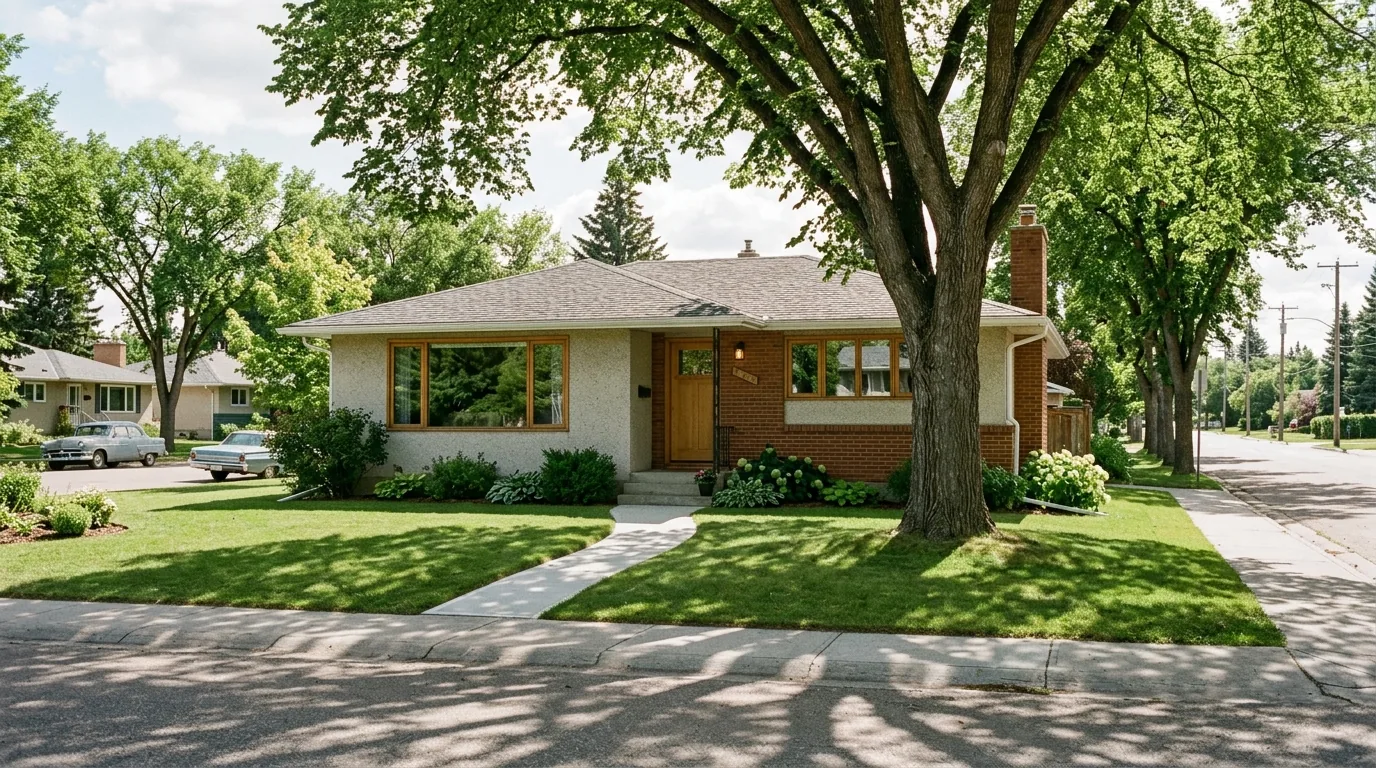
Buying an Edmonton Home With a Basement Suite
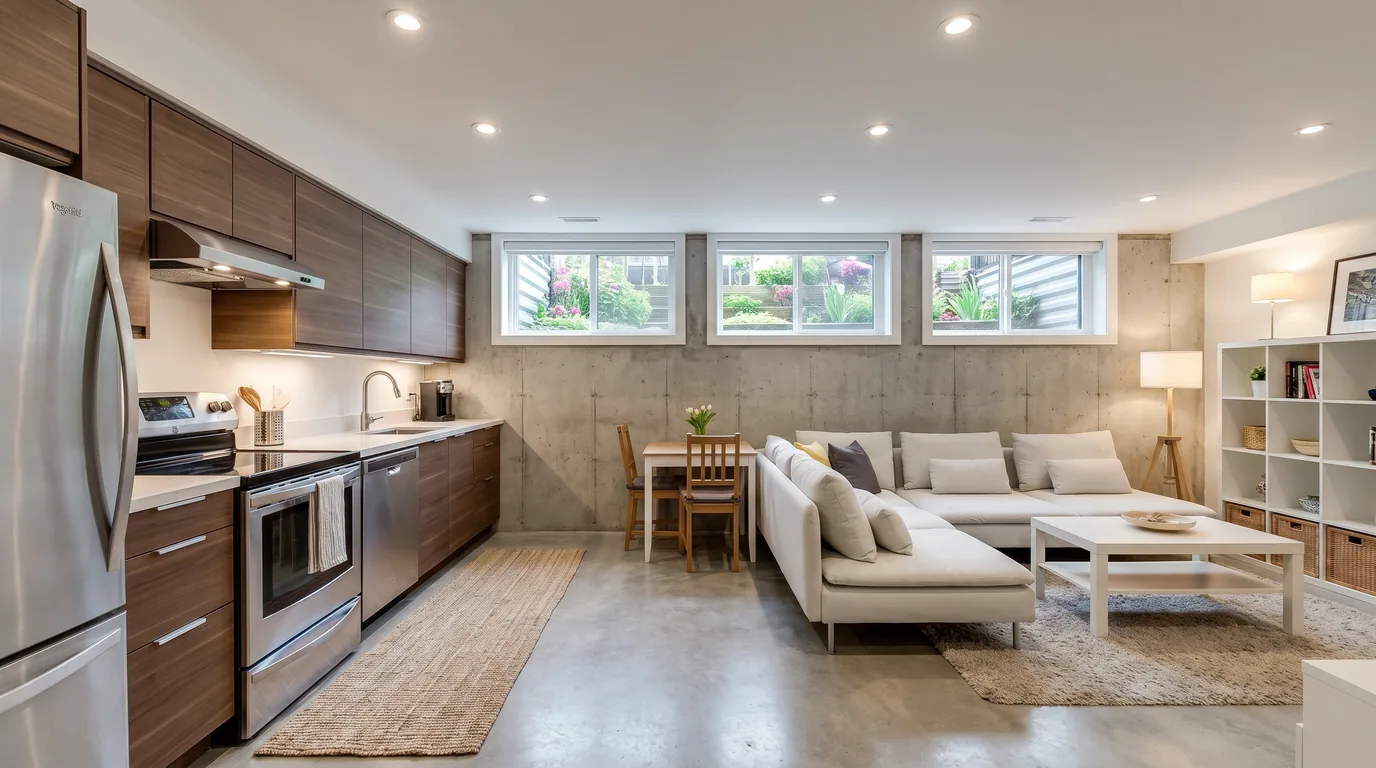
A basement suite changes the arithmetic of buying. It can turn a house you could not quite afford into one you can, because a lender may count some of the rent as income. It can also turn a straightforward purchase into a complicated one, because "has a suite" and "has a legal suite" are very different statements.
The short answer
Establish whether the suite is legal — permitted, inspected and compliant with the City of Edmonton's requirements — before you rely on the rent for anything. Lenders treat legal and non-conforming suites differently, insurers do too, and an unpermitted suite can become the buyer's problem after possession.
Key takeaways
- "Suite" in a listing is a description, not a legal status. Verify with the City rather than the advertisement.
- Lenders may count a portion of documented rental income toward qualifying, which can materially raise what you can borrow.
- A non-conforming suite may reduce or eliminate that benefit, and can complicate insurance.
- Being a landlord is a job — tenant selection, repairs at inconvenient hours, vacancy, and Alberta's residential tenancy rules.
- Do the numbers with the suite empty. If the purchase only works when it is rented, it does not work.
Who this guide is for
Edmonton buyers considering a home with an existing secondary suite, or one they might add later. Permitting and safety requirements are the City of Edmonton's; the linked pages are the authority.
Legal, non-conforming, or neither
A legal secondary suite has been developed under permit and meets the requirements applying to it — separate entrance, ceiling heights, egress windows, fire separation, smoke alarms and ventilation among them. There is a record of it.
A suite built without permits may be perfectly comfortable and still be a problem: it may not meet fire-safety requirements, your insurer may treat the property differently, and enforcement can require costly changes.
The way to settle this is with the City, through permit and inspection records — not by asking whether it "has always been rented out".
Make the offer conditional on confirming the suite's permit status, and give yourself real days to do it. Sellers are not always sure themselves, and the answer changes what the property is worth to you.
How lenders treat suite income
Many lenders will count a share of documented rental income when calculating what you can borrow — the proportion varies by lender and by whether the suite is legal. That can be the difference between qualifying for a house with a suite and not qualifying at all.
Two cautions. Policies differ enough that this is a question for your mortgage professional about a specific property, not a general assumption. And qualifying on suite income means your ability to pay assumes a tenant. Ask yourself what happens during a vacancy, because vacancies happen.
What being a landlord actually involves
- Finding and screening tenants, within the limits of human rights legislation.
- Alberta's Residential Tenancies Act — notice periods, deposit handling, entry rules and the process for ending a tenancy.
- Repairs, on the tenant's timeline rather than yours.
- Sharing a building with someone. Noise, parking, laundry and the front walk in winter all become negotiations.
- Tax. Rental income is reportable, and claiming expenses against it has consequences worth understanding before you start.
None of this is a reason not to do it. It is a reason to decide deliberately rather than treating the rent as free money attached to a house.
Questions to ask before you offer
- Is the suite permitted, and can that be evidenced from City records?
- Is it currently tenanted, and if so on what terms — because an existing tenancy may continue after possession.
- What is the actual rent, and what does it include?
- Are utilities separately metered, or shared?
- Has the insurer been told there is a suite, and what does that do to the premium?
- What would it cost to bring the suite to legal standard if it is not there already?
Running the numbers honestly
Work out the monthly cost of the house with the suite empty. If that figure is comfortable, the rent is upside and you are in a strong position. If it is only affordable when tenanted, you are relying on an income you do not control — and a vacancy, a bad tenant or a required renovation becomes a genuine problem rather than an inconvenience.
Our affordability guide walks the underlying budget arithmetic, and it applies here with the rent set to zero.

Ryan McCann
Ryan is an Edmonton-based REALTOR® with MaxWell Polaris and the person behind Padster. He's helped over 2,200 clients in the Edmonton area buy and sell their home.
Contact Ryan today at 780-964-8445 to talk through your next step.
Last reviewed 12 August 2026. General information for Edmonton-area buyers — not individualized financial, mortgage, legal or tax advice. Mortgage rules, government programs and market figures change; confirm current details with a licensed mortgage professional, an Alberta real-estate lawyer, or the relevant government source before making a decision. Padster is not a brokerage.
Sources
- City of Edmonton — Secondary suites
- City of Edmonton — Home improvement permits
- Service Alberta — Residential tenancies
- Canada Revenue Agency — Rental income
Your next step
See what a suite would change
Start from the payment you can carry without a tenant, then look at what a suite adds on top.
Search Edmonton by monthly paymentFrequently asked questions
Is a basement suite legal in Edmonton?
Secondary suites are permitted in Edmonton subject to development and safety requirements, but an individual suite is only legal if it was actually developed under permit and meets those requirements. Confirm the specific property's status through City records rather than the listing.
Will a lender count my basement suite income?
Many lenders count a portion of documented rental income when qualifying you, and the proportion varies by lender and with whether the suite is legal. Ask your mortgage professional about the specific property before assuming it.
What is the risk of buying a home with an unpermitted suite?
The suite may not meet fire-safety requirements, your insurer may treat the property differently, lenders may decline to count the income, and enforcement can require expensive changes. The risk transfers to you at possession.
Can I remove a tenant after I buy?
Not automatically. An existing tenancy may continue after possession, and Alberta's Residential Tenancies Act governs notice and the grounds for ending one. Establish the tenancy terms before you make an offer.
Do I pay tax on basement suite rent?
Rental income is reportable. Expenses can generally be claimed against it, but doing so has consequences — including for the principal residence treatment of part of your home. Worth a conversation with an accountant before you start.
Should I buy a home I can only afford with the suite rented?
It is a fragile position. Vacancies, bad tenants and required repairs all happen, and none of them wait for a convenient month. If the payment is not manageable with the suite empty, the house is above your budget.